
Islands Reborn Shop Profitability: Revenue, Capital, and Trade Setup
Islands Reborn shop profitability depends on working coins, high-demand inventory, and active customer traffic. Well-funded player shops can earn over 100,000 coins per minute, but success requires maintaining competitive buy-and-sell margins, stocked vending machines, and sufficient liquid capital to complete player trades.
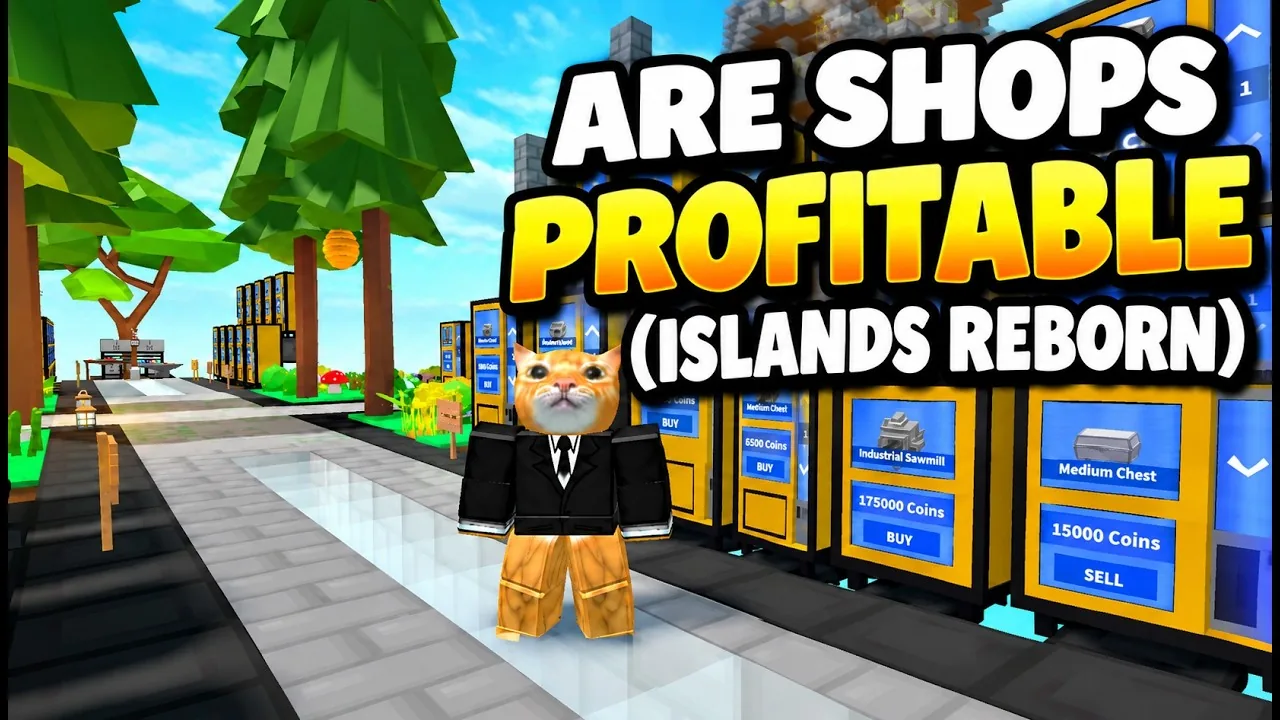
Islands Reborn shop profitability depends on working coins, high-demand inventory, and active customer traffic. Well-funded player shops can earn over 100,000 coins per minute, but success requires maintaining competitive buy-and-sell margins, stocked vending machines, and sufficient liquid capital to complete player trades.
Capital Requirements and Operating Cash Flow
Running a retail hub in Islands Reborn demands substantial working coin reserves rather than decorative architecture. In testing shared by content creator Mi were Roblox, maintaining a fully stocked series of vending machines required around 10 million coins in reserve capital. This reserve keeps purchase slots active when visitors arrive to sell their gathered materials.
Player shops fail immediately when vending machines display an Out of coins error. An attractive buying price on paper cannot execute a trade if the machine lacks the balance to fund the payout. Establishing a store functions as an ongoing commercial commitment:
- Operating funds must remain separate from building and decorating budgets.
- Buy orders for raw resources like gold ore require dedicated coin reserves.
- Sell slots must be replenished promptly when incoming buyers clear existing stock.
- Quoted numbers represent offers rather than settled profit until transactions process.
Stores that balance these balances can outpace standard crop production. A five-minute trading window with an island at the ten-player server cap generated roughly 500,000 coins, achieving an earning rate of approximately 100,000 coins per minute. That specific test outperformed the baseline yields of a dedicated potato salad farm.
Revenue Drivers: Stock Selection and Pricing Margins
Inventory selection determines whether visitors spend currency or leave immediately. A player store stocked with low-utility items such as tall grass or dead bushes attracts zero interest. Profitable storefronts center their displays around production utilities and rare items that players actively seek, such as washing stations and crystallized gold.
Pricing requires checking current server competition before setting rates. If competitors offer identical goods at lower prices, incoming visitors pass by your machines. Setting sell rates too low removes your margin, turning your store into an uncompensated distribution center. Successful operators compare existing shop values or price lists to locate a competitive middle ground.
Equipment fabrication also offers substantial margins. Content creator Mi were Roblox demonstrated that vending machine crafting costs roughly 100,000 coins in base components:
- 10 gold ingots, valued at approximately 45,000 coins.
- Green sticky gears, valued between 40,000 and 50,000 coins.
- Crystallized iron, valued between 15,000 and 25,000 coins.
Crafted machines frequently sell in player stores for 200,000 to 300,000 coins, securing between 50,000 and 200,000 coins in gross margin per unit. Purchasing raw materials at reduced rates through community trading channels widens these margins further.
Evaluating Player Shop Trading Methods
Choosing an operating model depends on your liquid funds, production output, and session length. The table below outlines three operational approaches based on observed player economies:
| Retail Strategy | Best For | Capital and Resource Requirement |
|---|---|---|
| Vending Machine Production | Players seeking quick, high-margin transactions | 100,000 coins in craft mats (gold ingots, green gears, crystal iron) |
| High-Demand Flipping | Merchants with heavy cash reserves buying and reselling | Around 10 million coins in vending reserves to absorb trades |
| Farm Depot Outpost | Producers converting bulk automated yields into currency | Established factory lines and funded buy chests for incoming goods |
Players seeking reliable money making routines should identify bottlenecks early. If your buy machines exhaust their funding within two minutes of opening, your capital allocation is limiting trade volume. If customer traffic is steady but items linger indefinitely, stock selection requires adjustment.
Traffic Generation and Store Layout
High foot traffic is mandatory because Islands Reborn servers cap island occupancy at 10 players. Publishing your island through the in-game publishing interface opens your territory to the public browser. Operators frequently set clear, descriptive island titles such as buy/shop or host small item giveaways once the server reaches 10 visitors to keep foot traffic circulating through their vending zones.
Internal arrangement determines how quickly visitors find what they need. Avoiding common shop mistakes means prioritizing clean layout over elaborate visual builds. Functional shop design positions vending units in organized, unobstructed corridors where players can immediately distinguish buy chests from sell chests. Clear pathways prevent navigation delays, allowing visitors to cycle through transactions before leaving the server.
Next step
Vending Machine Crafting
Calculate material costs and evaluate profit margins when assembling vending machines for player markets in Islands Reborn.