
Islands Reborn Shop Design: Layout, Stocking, and Pricing Strategy
An effective Islands Reborn shop design centers on clean spatial organization, visible vending machines, and accessible walkways rather than decorative builds. Keeping customer paths direct while maintaining working coin reserves and high-demand inventory allows your island store to secure steady player sales.
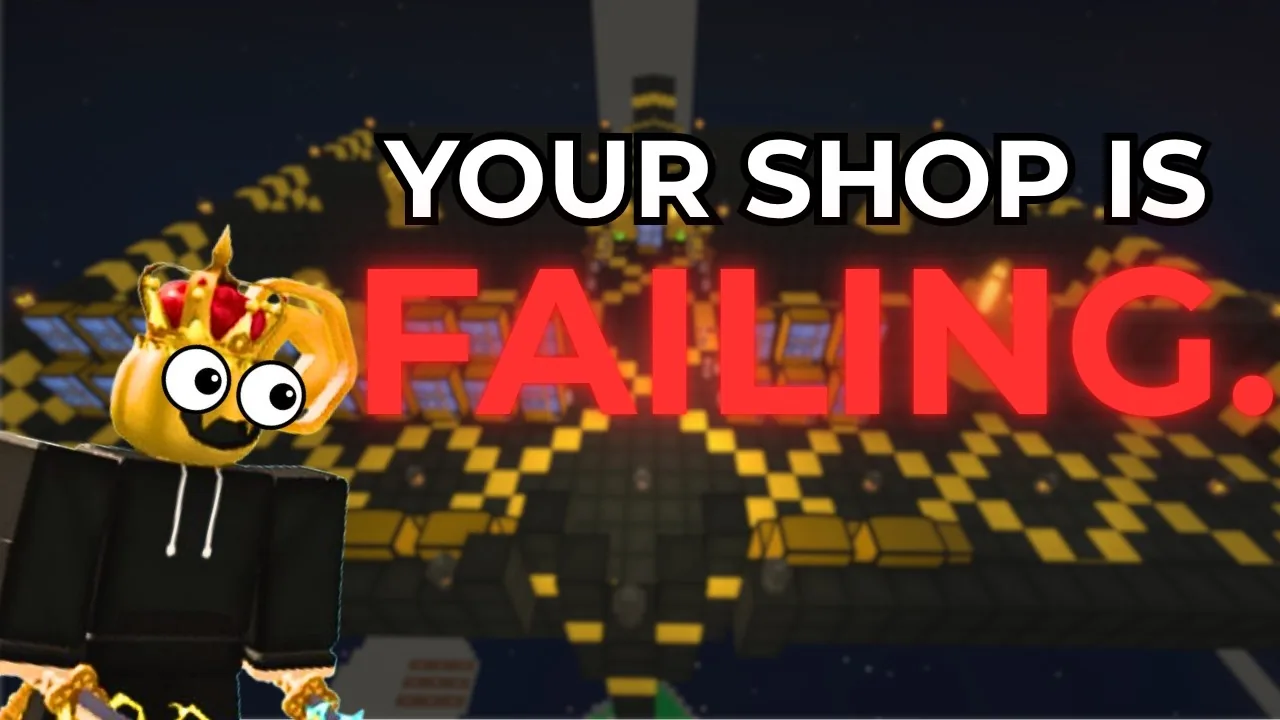
An effective Islands Reborn shop design centers on clean spatial organization, visible vending machines, and accessible walkways rather than decorative builds. Keeping customer paths direct while maintaining working coin reserves and high-demand inventory allows your island store to secure steady player sales.
Core Layout Principles for Player Shops
In Islands Reborn, player servers hold up to ten players at a time. When visitors travel to your island, immediate access to vending machines determines whether they trade or leave. Large decorative shells that hide machines behind doors or intricate mazes add unnecessary friction. Successful trade spaces prioritize visibility and straightforward navigation.
Place vending units along clear walking lanes right near the island spawn pad. Arrange machines by item category, placing building supplies, farming outputs, and specialized machinery into distinct rows. Clear signage and open walkways let customers locate specific items quickly, which helps your storefront rank among the best shops visitors choose to bookmark and revisit.
Physical cleanliness also influences customer retention. Cluttered islands with scattered chests, stray conveyors, or half-built structures distract buyers. When planning your island building layout, isolate trading stalls from raw production zones so conveyor noise and loose crops do not disrupt customer traffic.
Balancing Space, Inventory, and Operating Capital
A completed retail building does not generate sales if your vending machines sit empty. Setting up an island trading post requires balancing your building footprint with available operating coins. Vending machines set to purchase goods from incoming visitors require cash reserves in your account to fulfill transactions. Spending your entire budget on decorative blocks leaves you without the funds needed to maintain active buy orders.
Inventory selection requires equal scrutiny. Offering common items with negligible demand, such as tall grass or dead bushes, drives potential customers away. Stock items that players actively seek to avoid tedious gathering trips, including crystallized gold and washing stations. Stocking desirable items while eliminating unwanted clutter prevents common shop mistakes that drain merchant momentum.
Restocking routines must match customer activity. If visitors repeatedly encounter sold-out stock, they stop checking your island. Maintain a steady supply of your featured goods in nearby storage chests to replenish machines quickly between visitor waves.
Choosing a Shop Setup
The layout you choose depends on available startup capital and the volume of trade goods you can reliably maintain.
| Layout Style | Best Scenario | Resource Cost |
|---|---|---|
| Compact Central Stall | New merchants testing item demand with limited stock | Low material investment, minimal coin reserve required |
| Dedicated Vending Corridor | Active traders balancing separate buy and sell rows | Moderate island space, requires steady restocking routines |
| Departmental Hub | High-volume sellers managing raw ores, seeds, and machines | Substantial coin capital, requires dedicated storage rows |
A compact stall works well when establishing trade, as it focuses visitor attention on a handful of high-value offers without overextending your funds. Expanding into a vending corridor becomes practical once production lines consistently produce surplus materials.
Pricing and Restocking Strategy
Pricing directly dictates trade volume in a multi-server economy. Setting prices higher than competing islands discourages purchases, while setting prices too low eliminates profit margins and empties your stock prematurely. Research price listings by visiting competitor islands or checking player price sheets before setting your rates.
Establishing both buy and sell options on vending machines creates recurring trading loops. Customers can sell their raw outputs to your stall, giving you supplies to process and resell. Maintaining balanced margins protects long-term shop profitability without alienating regular buyers. When your shop offers competitive rates, clear navigation, and dependable stock, customers have every reason to return.
Next step
Shop Mistakes
Correct critical shop errors in Islands Reborn by adjusting pricing margins, selecting high-demand goods, and organizing accessible vendor stalls.