
Islands Reborn Island Building: Practical Layouts and Working Space
Islands Reborn island building works best when platforms are planned around specific tasks such as crop containment or processing lines. Construct reachable working floors with stone brick, install glass edges to catch falling items, and reserve space for walking paths before adding machinery.
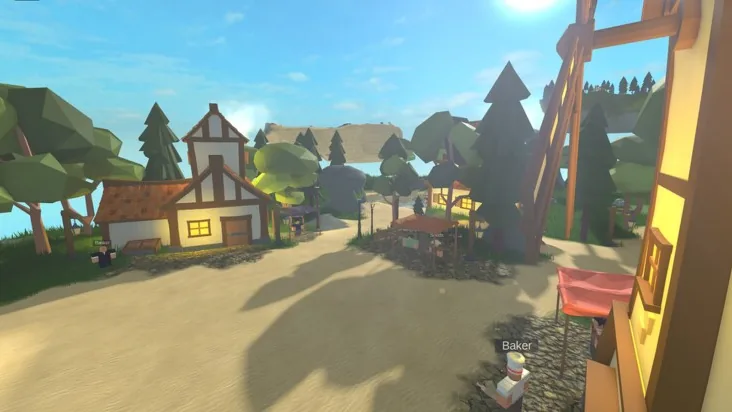
Islands Reborn island building works best when platforms are planned around specific tasks such as crop containment or processing lines. Construct reachable working floors with stone brick, install glass edges to catch falling items, and reserve space for walking paths before adding machinery.
Structuring Functional Island Space
Building on your island requires clear separation between working platforms and cosmetic borders. A working platform needs enough solid floor space to support crops, machines, and the player standing beside them. Starting with standard blocks such as stone brick provides a reliable base that you can expand in measured stages.
Surrounding an unfinished project with permanent decorative borders makes future adjustments difficult. When laying down a new floor, keep at least one side open so the platform can extend naturally when you need extra capacity. Laying out functional floors in distinct sections allows you to test machine clearance and reach collection chests without rebuilding an entire district.
Managing Item Routes and Drop Zones
Production layouts depend on predictable movement from the source block to the storage container. In agricultural setups built around crop farm design, crops drop from higher growing layers toward collection funnels. Lining the edges of these drop points with glass blocks prevents falling potatoes and tomatoes from bouncing off the edge of the island or missing collection conveyors.
Industrial processing requires a similar focus on routing. In a steel farm design, conveyor belts direct smelted ingots straight toward chest storage. Positioning storage at an accessible end of the conveyor prevents finished items from backing up along the line. Always leave a walkable passage along the side of active conveyor belts so you can inspect machinery and verify that items continue moving into chests.
Space Allocation Across Island Structures
Matching the correct block type and layout to each functional area prevents lost output and simplifies future adjustments.
| Structure Type | Best For | Layout and Material Needs |
|---|---|---|
| Working platform | Anchoring crop patches, totems, and smelters | Flat stone brick floors with open expansion sides |
| Edge containment | Catching falling items along multi-tier setups | Transparent glass blocks placed along outer drop borders |
| Service walkway | Inspecting conveyors and accessing collection chests | Clear pathways alongside machinery without conveyor overlap |
Expanding Production and Recipe Footprints
Expanding an island layout involves more than placing extra foundation blocks. A high-output crop platform requires budgeting for totems, seeds, and processing machines alongside the building material. Increasing the number of growing layers without matching conveyor throughput or chest storage can cause loose crops to accumulate and despawn before reaching collection containers.
Food preparation projects demand coordinated floor space. A potato salad farm combines both potato and tomato growing layers with dedicated prep tables. Rather than building detached platforms across distant sections of the sky, grouping ingredient plots near your cooking stations keeps the production loop compact, manageable, and easy to service.
Next step
Medium Chest
Plan conveyor-fed chest storage to collect output from factory machines and food processing lines without clutter.