
Islands Reborn Crop Farm Design: Layouts, Totems and Processing
An effective Islands Reborn crop farm design uses tiered crop layers with inward-facing conveyors dropping produce into dedicated washers, food processors, and storage chests. Balancing your potato and tomato layers prevents loose items from despawning before processing.
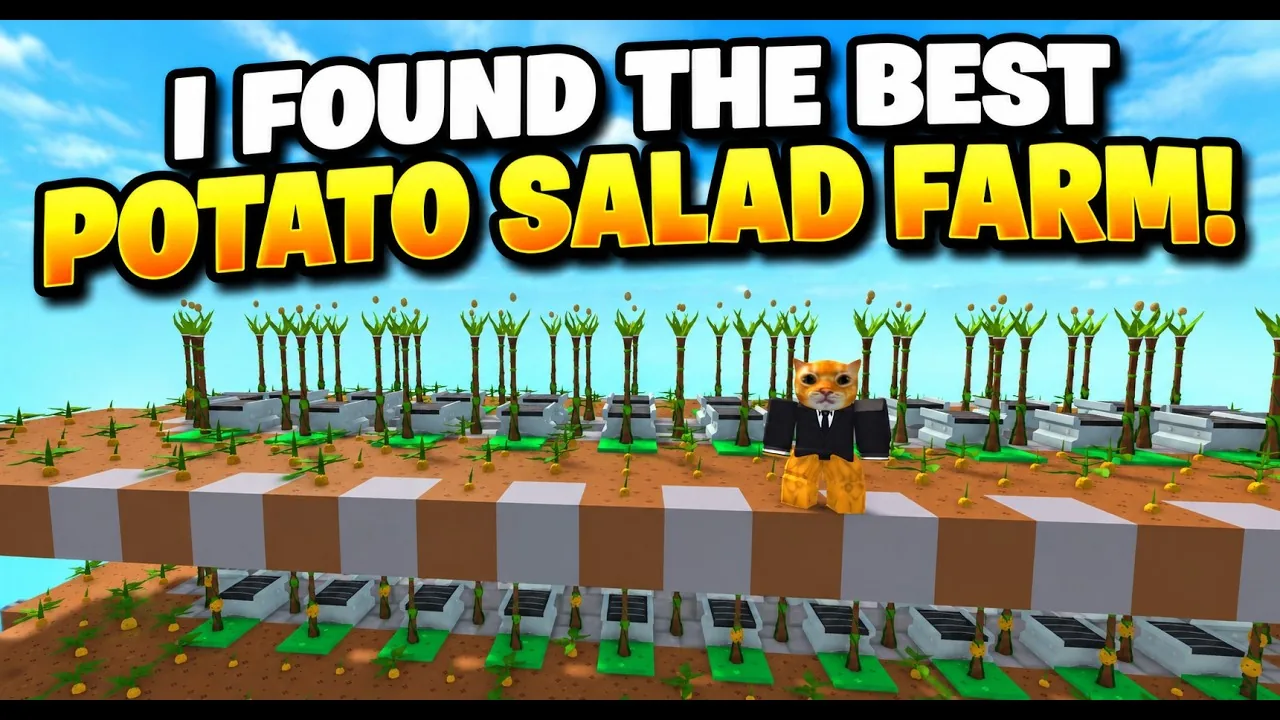
An effective Islands Reborn crop farm design uses tiered crop layers with inward-facing conveyors dropping produce into dedicated washers, food processors, and storage chests. Balancing your potato and tomato layers prevents loose items from despawning before processing.
Tiered Farm Dimensions and Conveyor Alignment
Stacked vertical layers allow you to multiply field capacity without spreading crops across the entire perimeter of your island. A standard multi-tier potato salad farm uses a symmetric footprint built from stone bricks or plain building blocks. Each growing tier incorporates perimeter channels that are three blocks wide, bordered by glass blocks along outer edges so tumbling crops cannot roll over the perimeter.
Conveyor placement determines how cleanly harvested items reach the drop chute. A single standard growing tier requires 16 conveyor belts positioned to face inward toward a central opening. Four conveyors sit along each side, directing dislodged produce toward the central collection shaft. Placing inverted stairs or ladders around the drop opening funnels falling items directly onto the collection belts below. Keeping this descent unobstructed prevents loose crops from hanging on block edges.
When designing long linear plots, builders map sections 21 blocks in length and four blocks wide. In this format, conveyors sit every two blocks along the collection line. Regardless of whether you build a centered box or an extended rectangular strip, sealing the exterior drop rim with glass blocks keeps goods aligned with conveyor belts.
Totem Layouts and Crop Growth Cycles
Automating harvest cycles requires placing crop totems directly adjacent to tilled soil. Potatoes take 6 minutes and 15 seconds to reach full maturity. Because crops mature on set timers, totems collect mature plants and deposit items onto nearby conveyors as soon as growth completes.
A full 21-block linear module holds 44 potato totems and requires roughly 120 to 200 seeds to cover all tilled tiles. For stacked tower modules, each layer needs around 118 to 120 seeds plowed into soil blocks. You can accelerate growth cycles using basic fertilizer produced inside a composter, where three fish convert into three bags of fertilizer.
Ingredient ratios matter when crops feed automated cooking machinery. Potato salad uses both potatoes and tomatoes, representing two of the best crops for automated food production. Totem layouts should maintain a ratio of two or three potato layers for every single tomato layer. In macro-driven field layouts, running tomato collection for 25 percent of your active production time produces the matching volume required to feed downstream machines without running out of either ingredient.
Processing Lines and Despawn Prevention
A crop farm produces value only when harvest rates match the speed of your processing equipment. In Islands Reborn, loose crops dropped onto conveyors despawn if they back up and linger too long without entering an inventory or machine. Farms with four or five potato layers feeding into a single washing station quickly exceed conveyor throughput, resulting in lost crops.
High-output designs place the food production machinery directly underneath the central drop shaft:
- Position four inverted stairs beneath the drop chute to center falling crops into the intake line.
- Route unwashed crops across conveyors directly into washing stations.
- Power each washing station by placing two coal totems behind the intake line to ensure continuous fuel delivery.
- Funnel clean vegetables into a food processor set specifically to potato salad.
- Direct finished dishes from the food processor output into industrial storage chests.
Supplying two washing stations and two processors provides sufficient bandwidth for multi-layered designs, helping players reach their first million coins through steady sales. If loose potatoes begin clumping on the belts, reduce the active growing layers or split the conveyor route into two independent processing channels.
Farm Layout Comparison
Choosing a layout depends on your available seed budget, island space, and processing capacity.
| Layout Type | Best For | Requirements and Trade-Offs |
|---|---|---|
| Tiered Gravity Tower | Automated AFK production of cooked meals | Uses 16 conveyors and 120 seeds per layer; needs dedicated washers to prevent despawn |
| Linear Border Run | Extended single-tier field harvesting | Needs a 300 to 600 block runway; relies on manual harvesting or continuous movement |
| Compact Starter Plot | Early game seed multiplication and manual sales | Minimal build cost; delivers lower hourly profit and requires manual tool usage |
Managing Output and Sales
After produce clears the food processor, automated output moves through conveyors into linked storage chests. Potato salad crafted from four raw crop inputs sells for up to 600 coins during peak demand, representing an effective baseline of 150 coins per raw ingredient.
Connecting high-volume crop automation with cooking equipment forms the foundation of automated money making. Expanding your farm tier by tier allows you to monitor conveyor speed, confirm that coal totems keep washers running, and ensure that every harvested crop converts cleanly into finished goods.
Next step
Onion Farm
Plan an onion farm in Islands Reborn with step-by-step soil preparation, planting routines, and crop project comparisons.